
How electric motors and variable speed drives control critical stages of modern food production
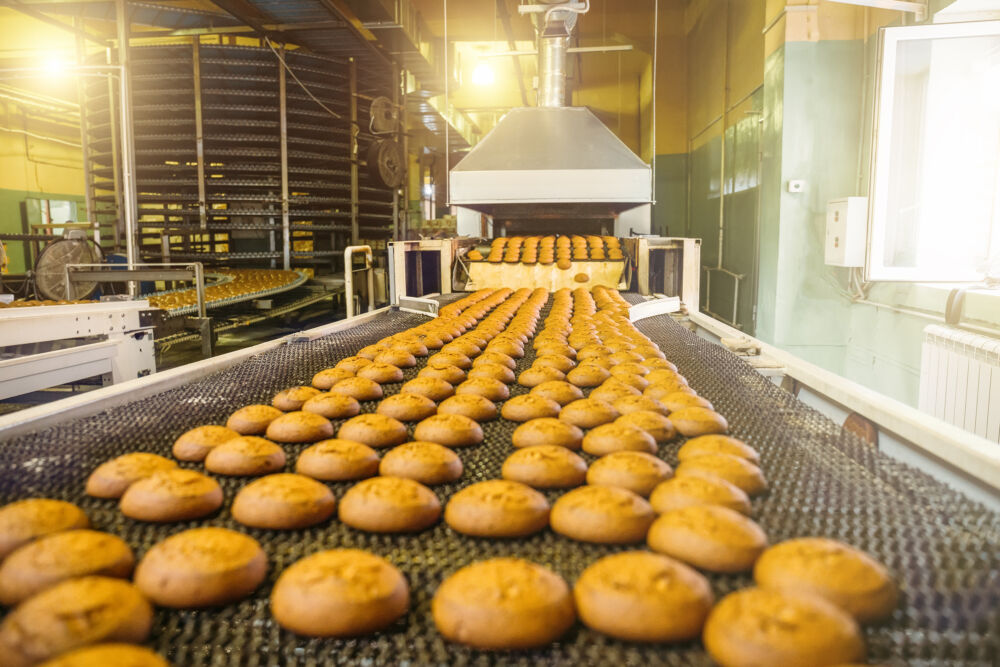
Electric motors and variable speed drives (VSDs) play a critical role in modern food manufacturing, providing the precise control needed to keep production lines running efficiently. As food manufacturers face rising energy costs, strict hygiene requirements, variable product loads and constant pressure to reduce downtime, balancing precision and reliability is becoming increasingly challenging. Here, David Strain, technical director at Technidrive, a specialist in industrial gearboxes and motors, examines the motor and drive technologies underpinning commercial food production and explains how these technologies give manufacturers tighter control across production lines.
Despite having the world’s fourth-largest food and soft drinks manufacturing sector, the UK is not self-sufficient in food production. According to the Global Food Security programme, a UK government-supported research initiative, around 48 per cent of food consumed in the UK is imported.
With the UK relying heavily on imported food, improving the efficiency and resilience of domestic food manufacturing has become increasingly important. This places greater emphasis on production technologies such as motors and variable speed drives that help maximise output while reducing operating costs.
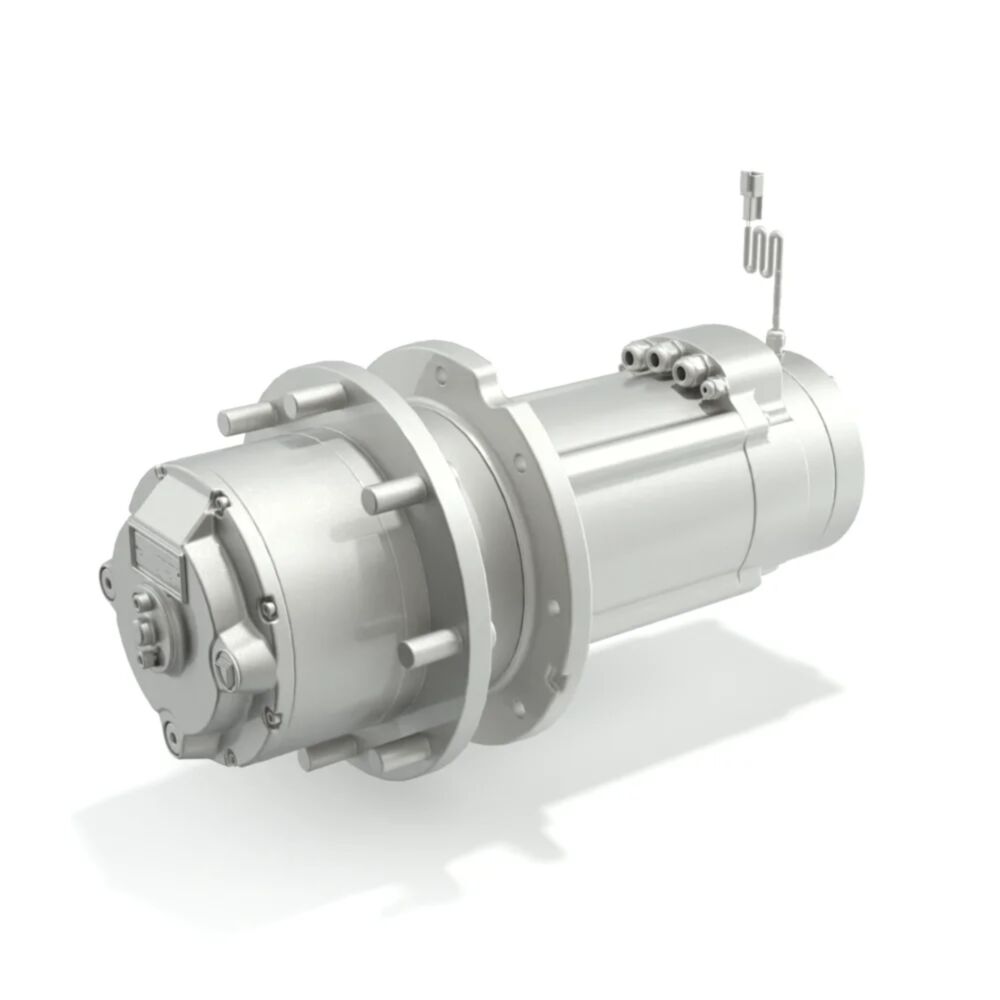
Motors rarely operate in isolation. They are often connected to wider systems that rely on consistent speed, torque and process control. A poorly specified motor can therefore create bottlenecks elsewhere on the production line, meaning that correct specification and integration are critical to avoiding production disruption and downtime.
Handling variable loads automatically
One of the main benefits of VSDs is their ability to manage highly variable production loads without constant operator input. A VSD adjusts motor speed to match actual demand by monitoring operating conditions such as speed, current, voltage and torque, then automatically responding to changing process requirements.
In a meat-processing environment, for example, electric motors and gearboxes help to maintain operating conditions in which food products are safely prepared. Motors power extraction systems that remove fumes and drive refrigeration fans that maintain tightly controlled temperatures.
Without a VSD, these systems may operate at a fixed speed regardless of demand. With a VSD, airflow and cooling capacity can increase or decrease automatically as production volumes change.
The result is a more stable line, reduced waste and fewer interventions from operators who can instead focus on higher-value tasks.
Built for the harshest environments
Food manufacturing environments place exceptional demands on electrical equipment. Washdown regimes using high-pressure water and aggressive detergents are standard practice, and motors must be specified accordingly. An IP55 rating is typically the minimum acceptable, with many applications requiring higher ingress protection. Beyond the rating itself, installation matters. Careful positioning, the use of gravity to prevent water ingress and correctly placed drainage points all contribute to long-term reliability.
Hygiene requirements are also driving changes in motor design. Smooth-body motors with food-safe coatings are increasingly common because they eliminate crevices and surfaces where bacteria can accumulate. These features support compliance with food safety regulations.
Historically, repeated exposure to detergents and high-pressure washdowns shortened the service life of many motors used in food processing. Today, manufacturers can specify gear units and motors with enhanced protection, which are designed specifically for food-grade and corrosive environments.
Programmable logic controllers (PLCs) and human-machine interfaces (HMI)s allow operators to monitor and adjust drive systems in real time, creating a fully integrated control environment across the production line. Instead of responding to problems after they occur, operators can identify developing issues through real-time performance data.
The energy efficiency misconception
When specifying motors, procurement teams often focus heavily on IE efficiency ratings. Although these ratings are important, they represent only part of the energy-efficiency picture. Greater savings can come from using VSDs to control motor speed and reduce energy use.
By reducing motor speed during lower-demand periods, a VSD can cut unnecessary power consumption on conveyors, pumps, mixers, fans and refrigeration systems. Across a food factory with dozens of motors running for thousands of hours each year, these incremental savings can add up to a significant reduction in energy costs.
A business decision, not just an engineering one
Motor and drive specification is often treated as a technical purchasing decision. In practice, it affects some of the most important performance measures in food manufacturing. The right motor and drive combination reduces costly downtime, cuts energy bills, simplifies maintenance and supports compliance with food safety standards.
Electric motors influence almost every stage of food production. As manufacturers continue to seek greater efficiency and resilience, the systems controlling these motors will remain central to how food is produced, processed and delivered.
To learn more about specifying motors, drives and automation systems for food manufacturing applications, visit Technidrive’s website.