
Online sourcing has made purchasing faster, but engineering decisions still depend on specialist knowledge
Industrial procurement has changed significantly over the last few decades. Components that once required lengthy phone calls, printed catalogues and long-standing supplier relationships can now be sourced globally in minutes. E-commerce platforms have made pricing, stock availability and delivery times instantly accessible. This reflects a wider shift in B2B buying behaviour, with McKinsey & Company’s B2B Pulse Survey showing that industrial buyers increasingly expect digital self-service, remote engagement and in-person support throughout the purchasing journey. Here, Chris Johnson, managing director at specialist bearing supplier SMB Bearings, explores why technical expertise still matters in a digital procurement landscape.
Procurement teams are under constant pressure to reduce lead times, simplify sourcing and maintain operational continuity, particularly across manufacturing and maintenance environments where downtime carries significant costs.
There’s also growing pressure on global supply chains. The Chartered Institute of Procurement & Supply (CIPS) has reported rising “supply chain anxiety” among businesses as geopolitical instability, shipping disruption and extreme weather events continue to impact global trade.
As a result, procurement teams are balancing speed and cost with resilience, continuity and long-term operational security. Yet the convenience of online procurement has also changed how engineering products are viewed. In many cases, components are treated as interchangeable, selected primarily on price or immediate availability rather than long-term suitability.
For some standardised products, that approach may work perfectly well. The risks increase when specification decisions are made without deeper technical input.
Bearings are a clear example. Two bearings can appear almost identical on paper, sharing the same dimensions and load ratings, while performing very differently once installed in a real operating environment.
Factors such as lubrication, seal design, material composition, corrosion resistance and operating temperature all influence reliability over time.
The challenge is that these differences are not always obvious during procurement. Online listings and technical datasheets can simplify comparison, but they cannot always account for the realities of a specific application.
A bearing that appears suitable in terms of dimensions may still underperform once exposed to contamination, continuous loads, moisture or temperature fluctuations. When these considerations are missed, the consequences can escalate quickly.
When systems fail
In an automated conveyor system, for example, an incorrectly specified bearing risks generating excess friction, creating heat build-up and accelerating wear across surrounding components.
In food manufacturing environments, inadequate sealing can allow contamination ingress, leading to premature failure and unplanned maintenance stoppages. In robotics or medical equipment, even microscopic inconsistencies in movement can compromise precision, repeatability and overall system performance.
Importantly, many of these failures do not appear immediately. A component may pass initial testing and still fail months later once subjected to real operating conditions. By that stage, the cost extends far beyond the bearing itself.
Downtime, emergency maintenance and lost productivity can quickly outweigh the original purchase price many times over.
Specialist knowledge matters more than ever
Experienced bearing suppliers do far more than simply process orders. They help manufacturers assess environmental conditions, operating loads, lubrication requirements and long-term performance expectations before problems emerge during operation.
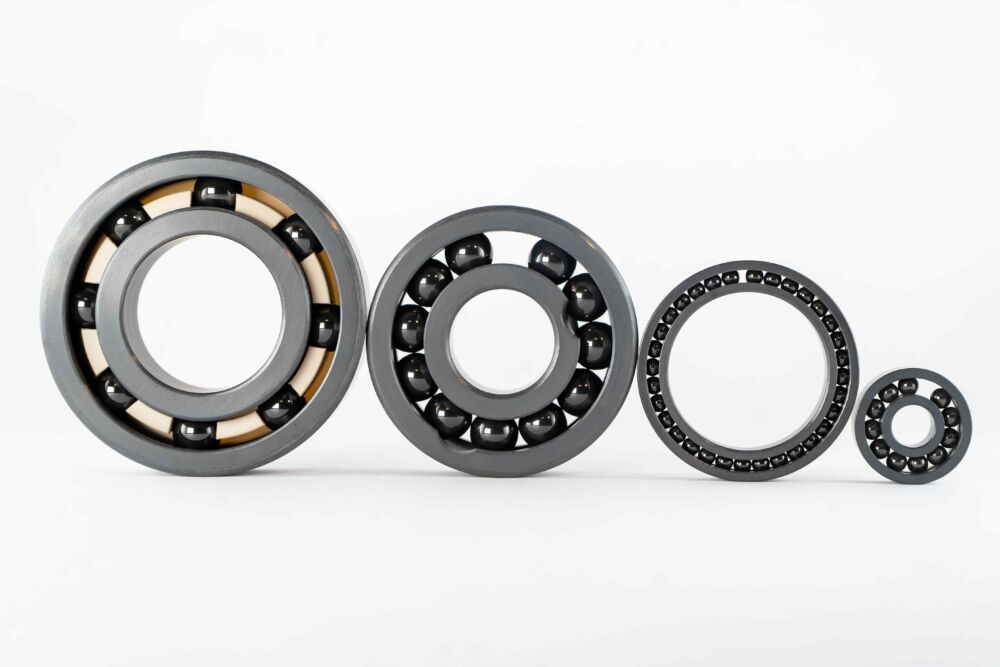
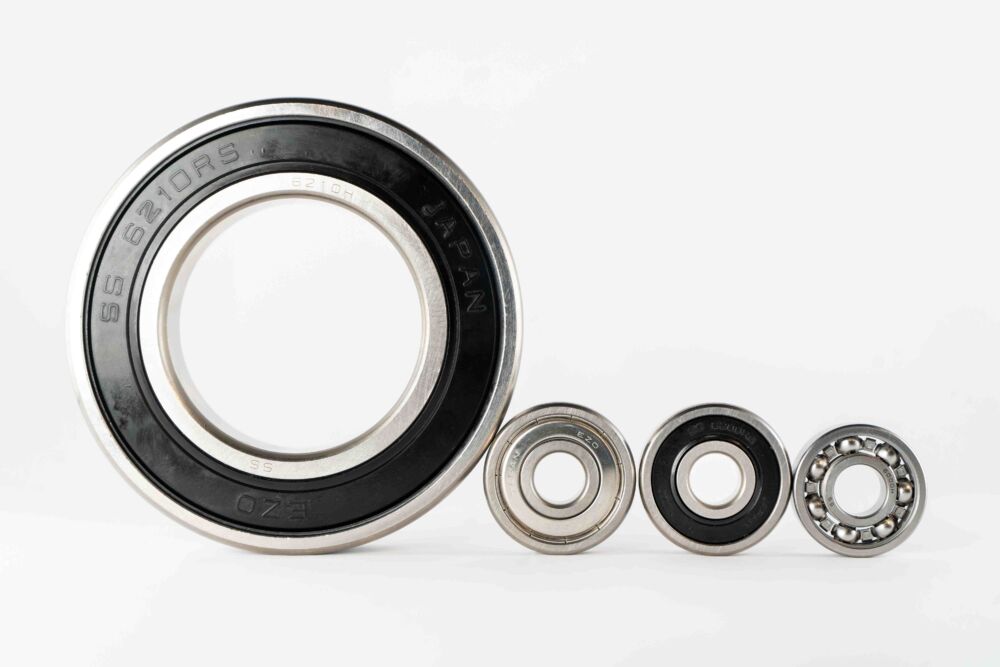
Material selection alone can significantly influence service life. Stainless steel bearings can offer corrosion resistance in washdown or marine environments. Hybrid bearings combining ceramic balls with steel rings can reduce wear and improve performance at higher speeds.
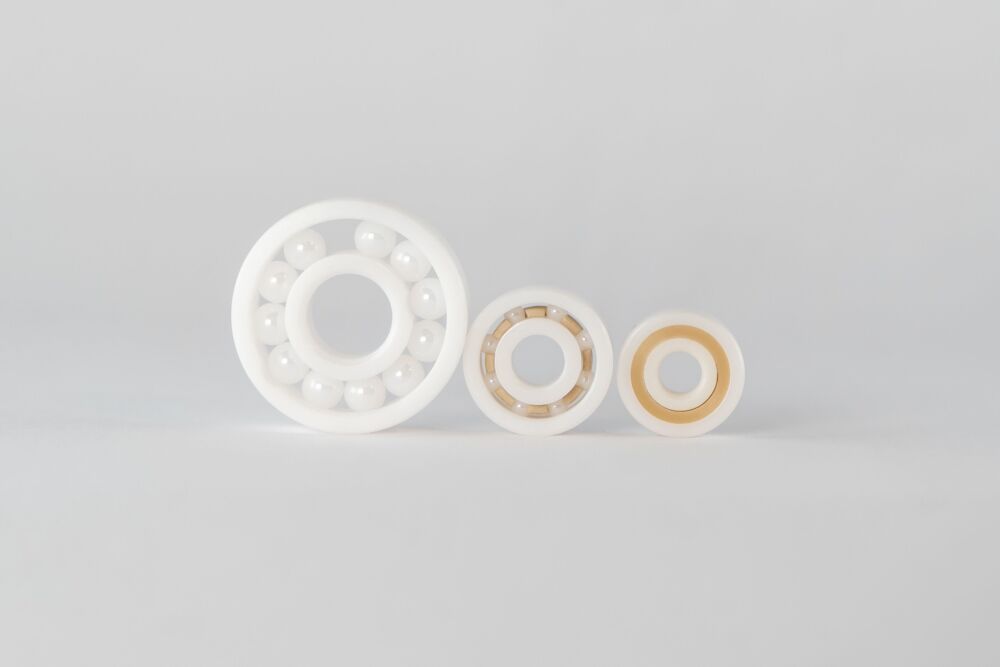
Full ceramic bearings provide stability in chemically aggressive or cryogenic applications where traditional materials may struggle. Seal configuration and lubrication strategy can also determine whether a bearing performs reliably for years or fails prematurely under demanding conditions.
Specialist suppliers can also help manufacturers navigate supply chain disruption more effectively. Access to specialist stock, alternative material recommendations and application-specific bearing configurations can reduce the risk of delays when standard sourcing routes become unreliable. In industries where downtime carries major operational costs, that responsiveness becomes just as important as the component itself.
Procurement priorities themselves are also evolving. Manufacturers are increasingly focusing on total cost of ownership (TCO) rather than upfront pricing. Reliability, energy efficiency, maintenance intervals and operational resilience now influence purchasing decisions alongside availability and cost.
Digital procurement is not the problem. Online access to engineering products has improved efficiency and flexibility across the industrial sector. The challenge is ensuring that convenience does not replace technical judgement.
After 35 years supporting sectors including medical technology, automation, aerospace and maritime engineering, SMB Bearings has seen how procurement continues to evolve. Yet despite advances in e-commerce and digital sourcing, the fundamentals remain consistent. Manufacturers still need components that perform reliably, suppliers who understand the application and technical guidance that helps prevent avoidable failures.
As industrial systems become more specialised and operating conditions more demanding, engineering expertise may become even more valuable than before to keep complex systems operating safely, efficiently and reliably.
For more information on SMB Bearings’ range of industrial bearings and their approach to supply chain support, visit smbbearings.com.